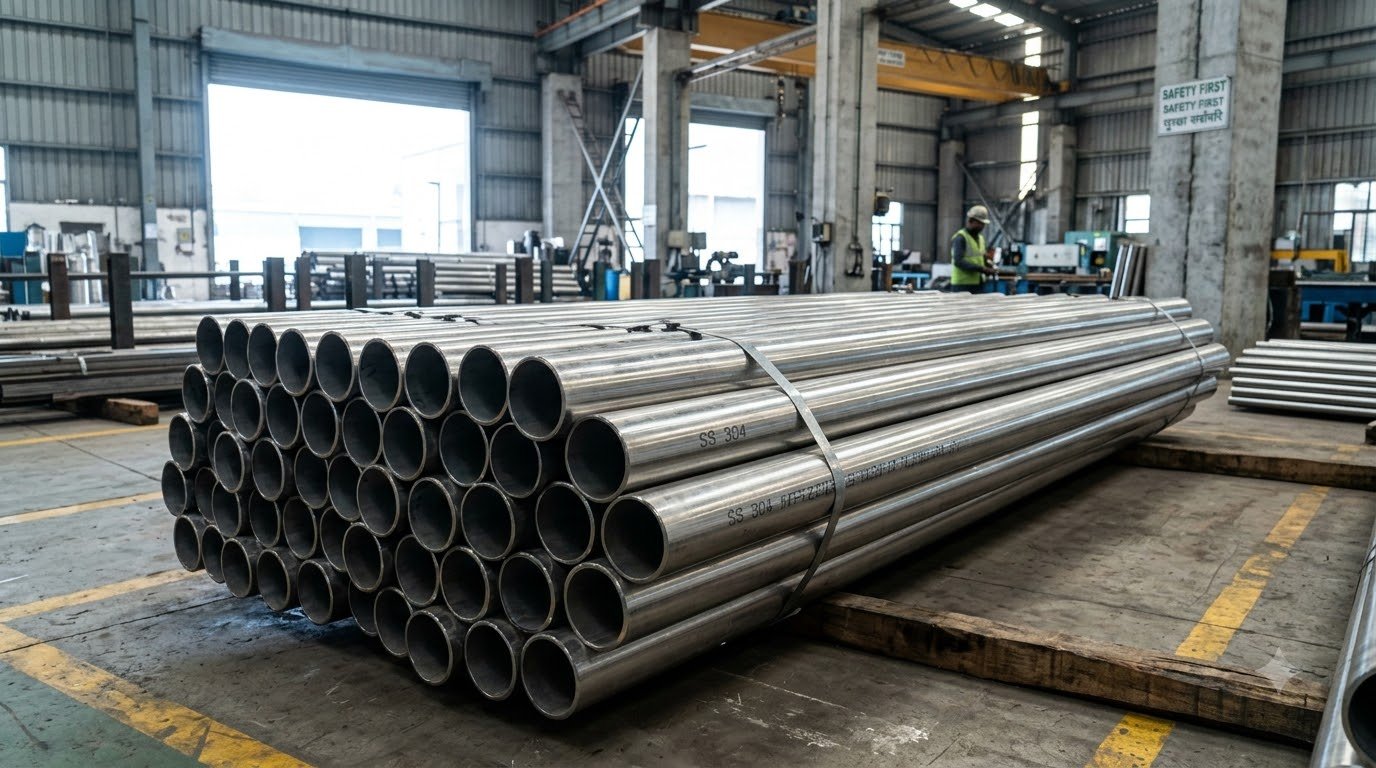
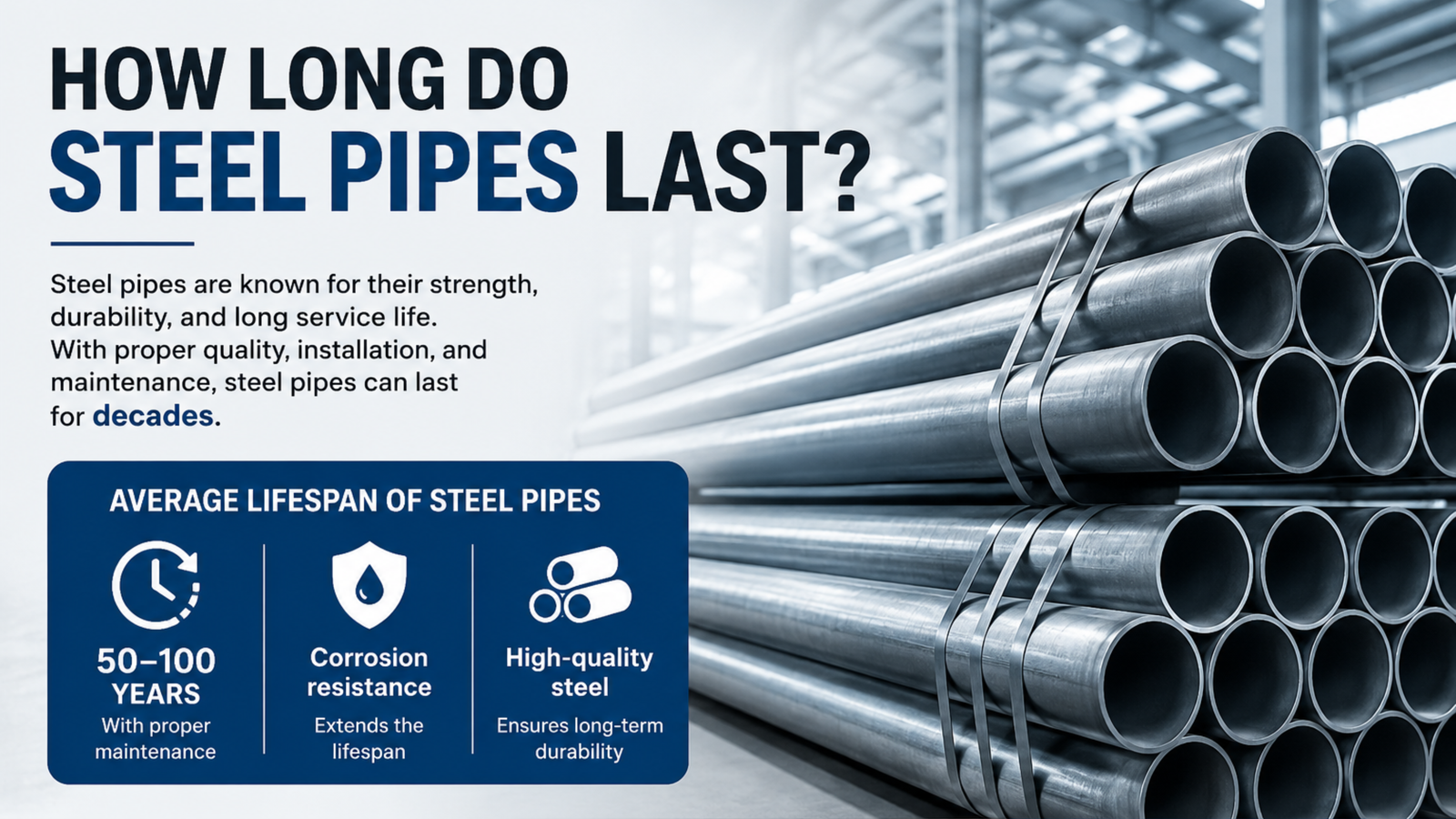
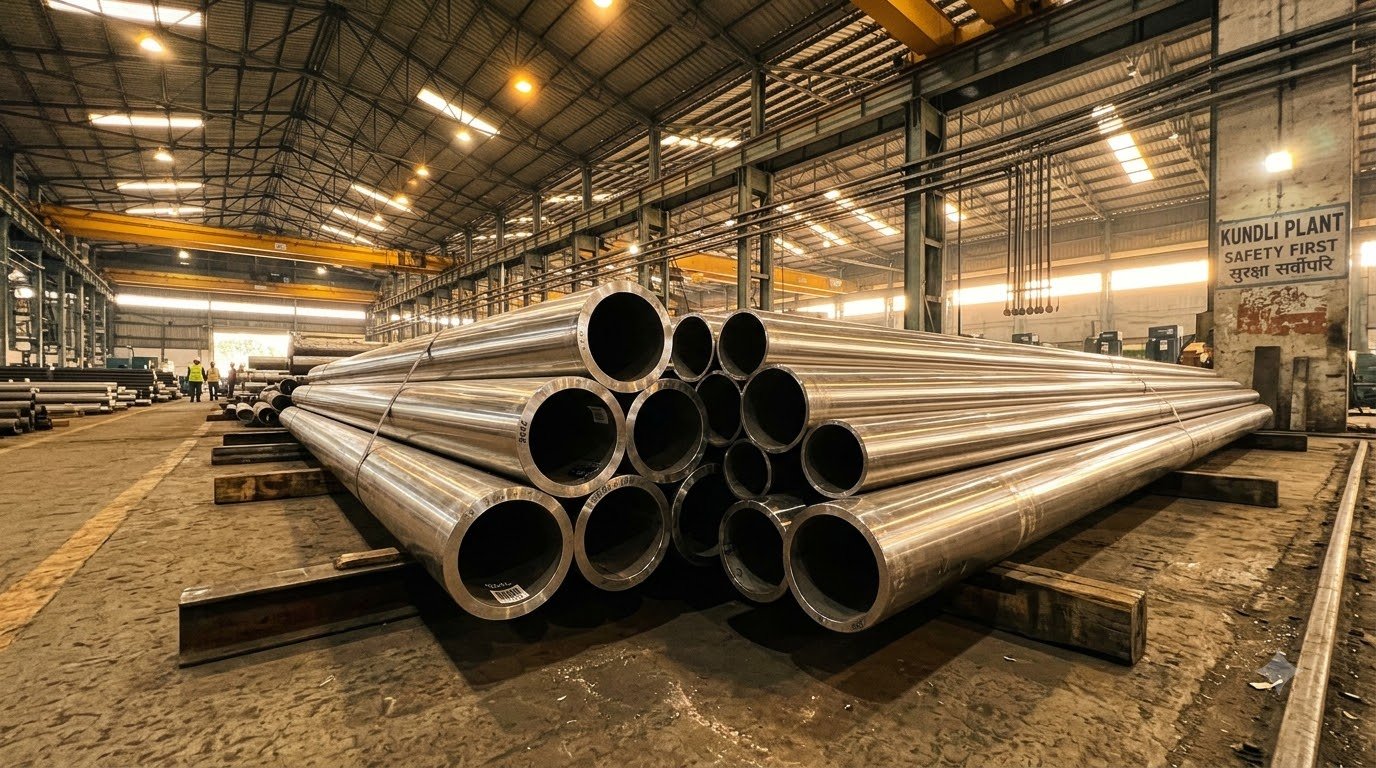
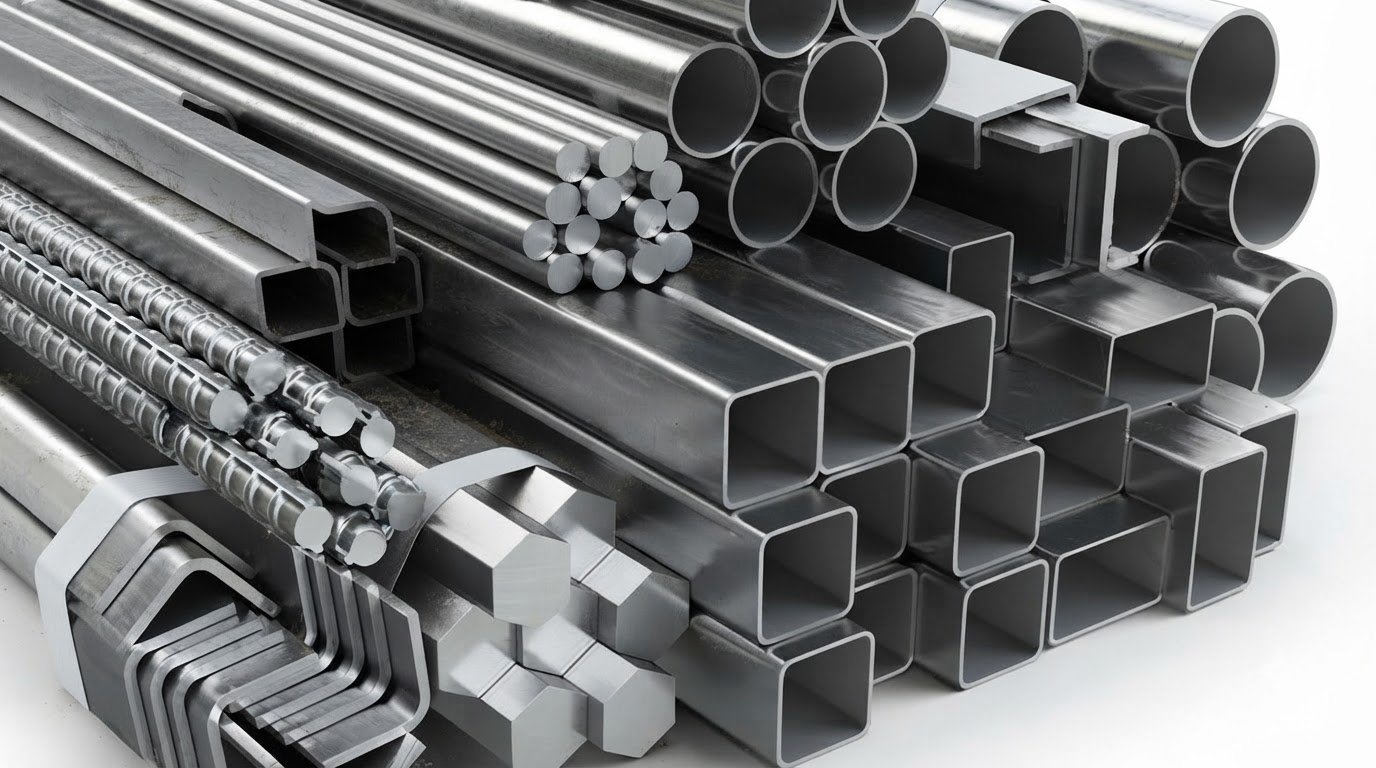
In today’s competitive construction, manufacturing, and infrastructure sectors, ensuring the quality of steel pipes is one of the most important decisions for long-term project success. Whether you’re building a commercial structure, industrial facility, agricultural setup, or engineering project, the quality of steel pipes directly impacts safety, durability, performance, and overall operational efficiency. High-quality steel pipes offer superior strength, excellent corrosion resistance, and a longer lifespan, making them a preferred choice across a wide range of industries. Choosing reliable and precisely manufactured steel pipes not only improves project performance but also reduces maintenance costs and ensures lasting value.
When businesses search for a trusted steel pipe manufacturer, they are looking for more than just products. They seek a manufacturing partner that consistently delivers quality, reliability, innovation, and customer satisfaction. This is exactly what Steelstar stands for. With a strong commitment to manufacturing excellence and stringent quality control standards, Steelstar has established itself as a dependable name in the steel industry by supplying premium-quality steel pipes designed to meet diverse industrial and commercial requirements.
At Steelstar, we specialize in manufacturing a comprehensive range of steel pipes that combine durability, precision, and superior performance. Our products are produced using high-grade raw materials, advanced manufacturing techniques, and rigorous testing processes to ensure they meet the highest industry standards. Whether it’s for construction, infrastructure, industrial applications, or engineering projects, our steel pipes are engineered to deliver exceptional strength and long-term reliability under demanding conditions.
What Determines the Quality of Steel Pipes?
The quality of steel pipes depends on several critical factors, including the grade of raw materials, manufacturing techniques, dimensional accuracy, wall thickness, and testing procedures. High-quality steel pipes are manufactured using premium steel and advanced production technologies that ensure strength, durability, and corrosion resistance. Every stage of the manufacturing process, from raw material selection to final inspection, contributes to the overall quality and performance of the pipe. Businesses should always choose manufacturers that follow strict quality control standards to guarantee consistent product performance. At Steelstar, every steel pipe undergoes rigorous testing to ensure it meets industry standards and customer expectations.
How Raw Materials Affect the Quality of Steel Pipes
The foundation of superior steel pipes begins with high-grade raw materials. The chemical composition of steel determines its strength, toughness, and resistance to wear and corrosion. Using inferior raw materials can compromise pipe durability and lead to premature failure. Premium steel with controlled carbon content and minimal impurities ensures better performance and longer service life. At Steelstar, we use carefully selected raw materials to manufacture steel pipes that offer exceptional reliability across various industrial and construction applications.
The Importance of Manufacturing Standards and Certifications
Modern industries require precision and consistency.
At Steel Star, we utilize advanced manufacturing systems that help us maintain strict quality standards throughout the production process.
Testing Methods Used to Ensure the Quality of Steel Pipes
Quality testing is an essential part of steel pipe manufacturing. Reliable manufacturers perform various tests to identify defects and ensure durability before the products reach customers. Common tests include:
- Hydrostatic pressure testing
- Tensile strength testing
- Ultrasonic testing
- Hardness testing
- Chemical composition analysis
These tests help verify the strength, pressure resistance, and structural integrity of steel pipes. At Steelstar, advanced testing methods are integrated throughout the production process to ensure every product delivers dependable performance.
Conclusion
In conclusion, ensuring the quality of steel pipes is essential for achieving long-term durability, safety, and reliable performance in any industrial or construction project. From selecting premium raw materials to verifying certifications and manufacturing standards, every factor plays a vital role in determining pipe quality. By investing in high-quality steel pipes from a trusted manufacturer, businesses can reduce maintenance costs, improve operational efficiency, and ensure lasting value. At Steelstar, we are committed to delivering steel pipes that meet the highest quality standards and exceed customer expectations. If you are looking for dependable steel pipe solutions, explore our extensive product range and discover the Steelstar difference. Selecting high-quality steel pipes is one of the smartest investments any business can make. Superior steel pipes offer exceptional strength, enhanced corrosion resistance, and reliable performance even in demanding environments. The right choice today can save significant maintenance and replacement costs in the future. At Steelstar, quality is at the heart of our manufacturing process. We strive to provide steel pipe solutions that deliver lasting value, helping businesses achieve their goals with confidence and peace of mind. search for google
Frequently Asked Questions (FAQs)
1. How long do steel pipes last on average?
Most steel pipes last between 50 and 100 years depending on quality, environment, and maintenance.
2. Do steel pipes rust over time?
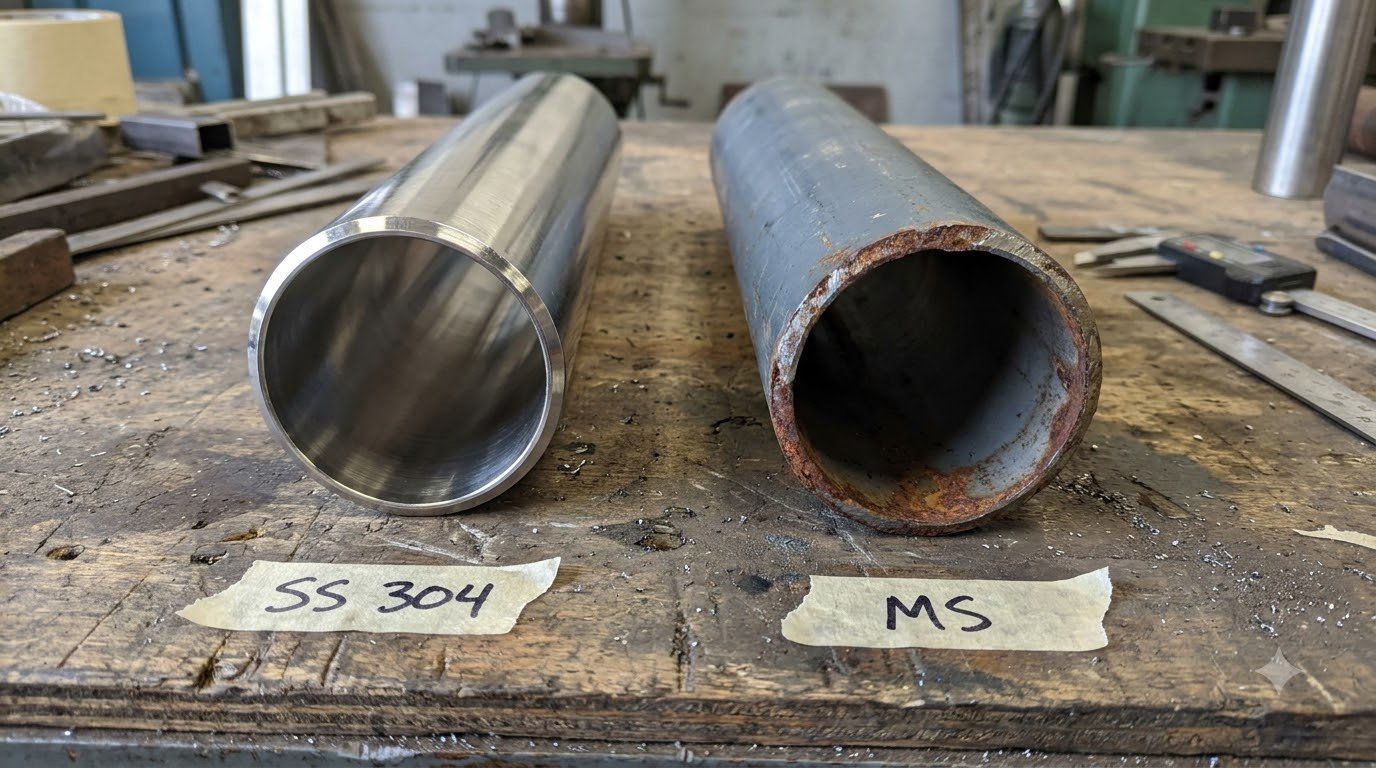
Yes, untreated steel pipes may rust. However, galvanized and stainless steel pipes offer excellent corrosion resistance.
3. Which steel pipes last the longest?
Stainless steel pipes generally have the longest lifespan and can last over 100 years in many applications.
4. Are steel pipes better than PVC pipes?
For strength, pressure resistance, and industrial applications, steel pipes are generally more durable than PVC pipes.
5. How can I increase the lifespan of steel pipes?
Use high-quality pipes, apply protective coatings, perform regular inspections, and maintain them properly to maximize their lifespan.
Facebook
Email
Latest Post
October 23, 2026
October 17, 2026
October 16, 2026
October 7, 2026
October 7, 2026
September 14, 2026
September 14, 2026
